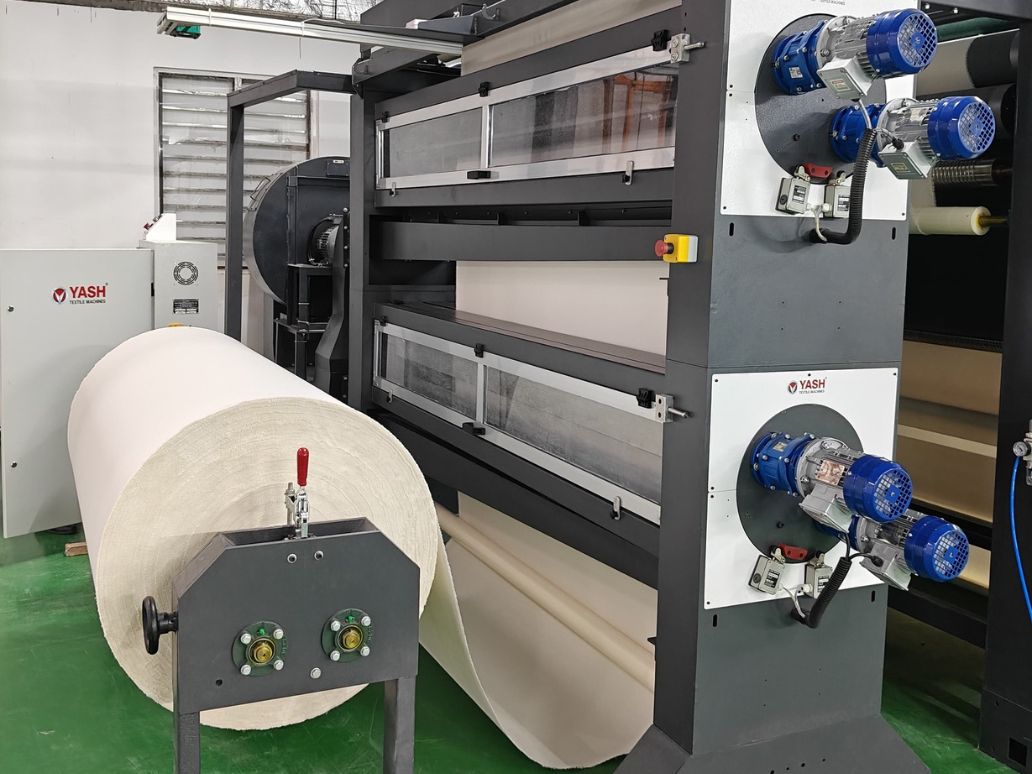
If you’re buying a fabric inspection machine for the first time, or replacing an old one, the features that actually matter come down to a fairly short list. Don’t get distracted by specifications that sound impressive but don’t affect your daily operation.
We have already covered why this matters. If you’re running elastic or stretch fabrics and your machine is applying tension, your measurements are wrong. Full stop. This is the single most important specification for any knit mill.
Good lighting is non-negotiable. You need both backlight, which catches density variations, thin spots, and holes, and top light, which catches surface defects like stains, slubs, and pilling. A machine with only one type of lighting gives your inspector a blind spot they may not even realise they have.
Discrepancies between the ticketed length and the actual inspected length are extremely common. Mills regularly find shortages of 2% to 5% on rolls. Catching these at the inspection stage means you can claim replacements from your supplier and plan your cutting more accurately.
Speed control matters more than people realise. ASTM requires a maximum of 15 yards per minute during visual inspection. But inspectors need to slow down on complex constructions like dense prints, fine counts, or patterned weaves. The machine should make that easy, not cumbersome.
Before you sign anything, think seriously about after-sales service. A machine sitting idle because a spare part is unavailable for three weeks is a serious problem. Ask your supplier where their service engineers are based, how quickly spare parts reach you, and whether they can show you an installed machine nearby that you can visit. At Yash Textile Machines we build our machines in Ambernath, Maharashtra. Spare parts are in stock and our engineers know every component because they put it together themselves.
A fabric inspection machine works best when it connects to the rest of your production process rather than sitting as an isolated step. The defect data from inspection should influence cutting. Rolls with clustered defects can be reserved for smaller pattern pieces, reducing waste rather than scrapping the roll entirely. Length shortages flagged at inspection affect your order planning. Shade lot records from inspection guide how you batch fabric before dyeing.
Mills that combine fabric inspection with an optimised cut plan system see the biggest impact on fabric utilisation. The inspection data tells you where the problems are in a roll. The cut plan system tells you how to work around them. Together they can bring your fabric waste percentage down meaningfully, and that matters more and more as fabric costs keep rising.
For mills that are also automating packing, the logical end-to-end setup is an integrated inspection-and-packing line. Fabric goes from the grey store into the inspection machine, passes quality check, and moves directly into a stretch film or poly film roll packing machine before despatch or storage. We build these combined lines for mills that want to remove the manual roll-handling steps between machines, which also reduces roll damage and saves handling time.
Can I use one machine for both woven and knitted fabric?
Sometimes, but not always. Some tensionless machines handle lighter wovens acceptably. Heavy wovens like denim, canvas, and thick twills really need a tension-drive setup to lie flat properly during inspection. If you are running both fabric types, tell your supplier exactly what you process and ask them to specify a machine for your actual range. Do not buy a machine designed for one fabric category and assume it will work on everything.
How do I know if a roll has failed the 4-point system?
Add up all the penalty points from defects found on the roll, then calculate points per 100 square yards using this formula: Total Points multiplied by 36 multiplied by 100, divided by Roll Length in Yards multiplied by Fabric Width in Inches. Compare the result against your buyer’s acceptance threshold, which is typically 28 to 40 points per 100 square yards depending on the fabric type.
What is the difference between an inspection machine and a measuring machine?
A fabric inspection machine is designed for defect detection at low speed with proper lighting and an inspector watching the fabric. A measuring or rewinding machine is for accurate length measurement and re-rolling. It runs faster and is not set up for detailed visual checking. Good modern inspection machines do both simultaneously, measuring as the inspector checks, which is the most practical setup for most mills.
How long does it take to inspect one roll?
At the standard inspection speed of 15 yards per minute, a 120-yard roll takes about 8 minutes. A trained inspector running back-to-back can inspect 6 to 7 rolls per hour comfortably. For most mills, dedicating one or two inspection machines to incoming fabric is enough to clear daily arrivals without creating a production bottleneck.
Fabric inspection is not the glamorous part of running a textile mill. It does not show up in a brochure photo. But the mills that do it consistently and properly, with the right machine, the right system, and trained inspectors following the 4-point standard, are the mills that do not get caught by buyer rejections. They do not lose fabric to undetected defects. They build a reputation for quality that actually keeps buyers coming back year after year.
The machine is the starting point. Getting it right is worth taking the time to do properly.
Contact: sales@yashtex.com | +91 9702393618 | www.yashtex.com